krishworkstech.com

Rapid Prototyping

coverimage 2 - part 4

Technologies That Power Smart Factories

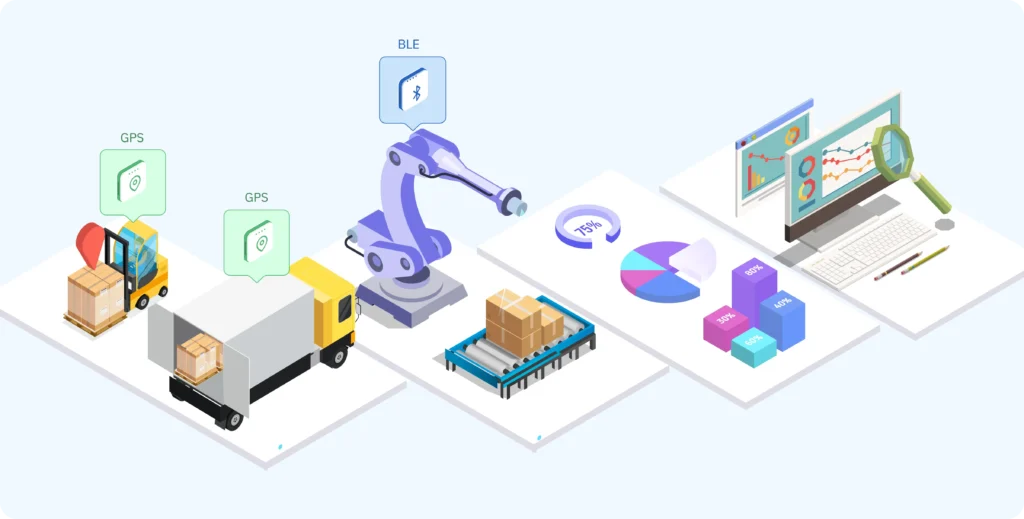
The modern factory is no longer just a collection of machines and workers—it’s an intelligent ecosystem where every asset communicates, learns, and responds. This evolution toward smart manufacturing is powered by a combination of cutting-edge technologies that bridge the physical and digital worlds.

At Krishworks Technology Innovations, we’ve seen how these technologies converge to create truly smart factories—connected, data-driven, and self-optimizing. Our IoT platform, SYTRAK, lies at the heart of this transformation, enabling manufacturers to orchestrate operations with precision and insight.

Technologies That Power Smart Factories Read More »
Frame 1000006371 (10)

IoT App Development to Connect and Communicate Devices

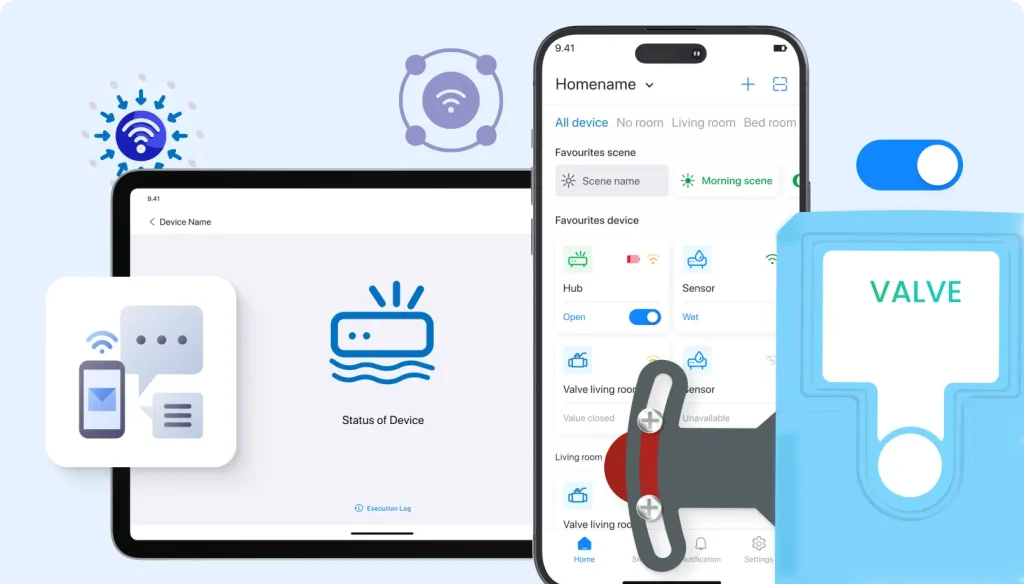
The current hyper-connected world has transformed how devices communicate and collaborate due to the Internet of Things (IoT). The IoT has connected the physical and digital realms to facilitate a smooth flow of data, therefore creating smarter and more efficient systems. Behind this innovation is IoT app development, as it has proven a critical cornerstone for facilitating device connectivity and communication.

This post discusses the importance of IoT app development, the technologies involved, and how it bridges the gap between devices to create more intelligent environments.

IoT App Development to Connect and Communicate Devices Read More »

Frame 1000006371 (8)

Application Development Rapid Prototyping vs. IoT Development Rapid Prototyping: Key Differences

In today’s innovation-driven landscape, Rapid Prototyping is the essential process by which developers transform ideas into functional solutions quickly and efficiently. However, the nuances of this approach vary significantly between domains. This is, for instance, true for application development and IoT development, as each has its own workflow, challenges, and Rapid Prototyping goals.

In this blog, we’ll explore the differences between Application Development Rapid Prototyping and IoT Development Rapid Prototyping, breaking down their unique requirements and methodologies. By understanding these differences, developers can optimize their prototyping processes for success.

Application Development Rapid Prototyping vs. IoT Development Rapid Prototyping: Key Differences Read More »

Frame 1000006371 (6)

Rapid IoT Prototyping Step-by-Step Process

The Internet of Things has evolved to revolutionize industries through the connection of devices, sensors, and software in order to facilitate operations while improving the user experience and creating innovative solutions. However, one main challenge for developers and engineers lies in getting from the ideation stage to making a functional prototype quickly and efficiently. That is when Rapid Prototyping comes into play. This saves time to market, reduces the cost of development, and supports rapid testing and iteration in Rapid Prototyping, a method that enables faster development of IoT systems.

Here, in this blog, we will break down the step-by-step process of Rapid IoT Prototyping, pointing out best practices and essential tools for you to efficiently achieve your project goals.

Rapid IoT Prototyping Step-by-Step Process Read More »

Scroll to Top
  • Schematic design
  • PCB and schematic source files
  • Assembling drawing files
  • Providing prototype/sample and production PCB service
  • Testing and validation of designed hardware
  • HIPAA
  • Azure Key
  • Management
  • ES, Checksum,
  • MD5sum
  • AWS
  • Azure
  • GCP
  • DigitalOcean
  • Kotlin
  • Python
  • Tensorflow
  • Computer Vision
  • ECG
  • SPO2
  • Heart Rate
  • Glucometer
  • Blood Pressure
  • UX UI Process
  • Figma and FigJam
  • Adobe Suite
  • Selenium Java
  • Postman
  • Swagger
  • Jmeter
  • SQL
  • Java Scripter
  • Test ng
  • Extents Reports
  • Flutter
  • Java
  • Kotlin
  • Swift
  • Dart
  • React JS
  • Python
  • NodeJS
  • Django
  • HTML, CSS, JS
RDBMS
  • PostgreSQL
  • Oracle
  • MySQL
  • MariaDB
No SQL Based
  • MongoDB
  • GCP
  • FirestoreDB
  • DynamoDB
  • Azure
  • CosmosDB
  • AWS